
Malibu, California · The candidacy question

Am I a candidate for oral appliance therapy?

Oral appliance therapy is the standard non-CPAP alternative for obstructive sleep apnea — and candidacy comes down to a few specific things. This page walks through who usually qualifies, what gets in the way, and how the decision actually gets made. Reviewed by Dr. Robert Perkins, DDS, a dental sleep medicine provider in Malibu.

  • Mild-to-moderate apnea or CPAP intolerance
  • Candidacy settled from your records, not a checklist
  • No obligation at any step

Reviewed by Dr. Robert Perkins, DDS — Dental sleep medicine · Invisalign-certified provider · Malibu practice

Content reviewed by Dr. Robert Perkins, DDS

Dental sleep medicine practice

Invisalign-certified provider

Malibu, California

The short answer

Candidacy, honestly

Am I a candidate for oral appliance therapy? You may be a candidate if you have mild-to-moderate obstructive sleep apnea, or if CPAP works clinically but you can't tolerate it. Candidacy is settled from your records — a sleep study, your medical history, and an exam of your airway, teeth, and bite — never from a checklist alone.

The American Academy of Dental Sleep Medicine's oral appliance therapy guidance — the specialty body for dental treatment of sleep-disordered breathing — recommends oral appliances for mild-to-moderate obstructive sleep apnea and for people who can't tolerate CPAP. That guidance matters here: candidacy isn't about whether you "qualify" for a product; it's about whether the therapy fits your diagnosis, your anatomy, and your nights.

  • A sleep study or accepted home test confirms the diagnosis — treatment starts from evidence, not from a guess
  • Your physician stays in the loop — severity, follow-up, and progress get coordinated between doctor and dentist
  • The exam checks your airway, teeth, and bite — the appliance anchors to a healthy foundation
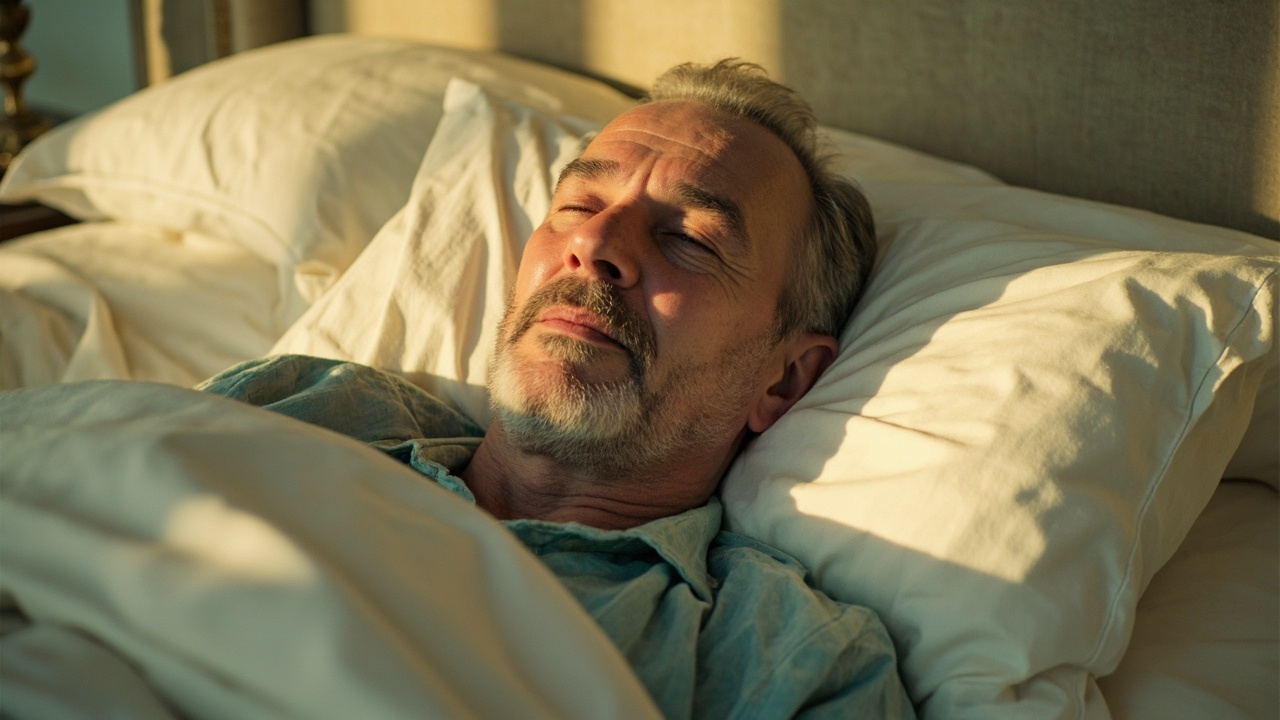
A peaceful sleep setting at dawn, evoking quiet, uninterrupted rest
Settled from records — a sleep study, history, and an exam

The honest answer

Candidacy isn't a label you wear. It's a question answered with records — and an honest conversation about what will actually help you sleep.

Malibu Dental Match, on candidacy

The four dials

What makes someone a good candidate?

Am I a candidate for an oral appliance? Four things decide it. Knowing the dials makes the answer feel less like a coin flip and more like a plan.

A confirmed diagnosis

Oral appliance therapy treats obstructive sleep apnea — and that starts with a sleep study or an accepted home test. The diagnosis drives everything: severity, the right device, and how progress gets measured.

Mild-to-moderate severity

Clinical guidance supports appliances for mild-to-moderate obstructive sleep apnea. Severe apnea isn't automatically excluded — but it's a physician-led conversation about whether an appliance is enough, or part of a bigger plan.

CPAP intolerance

CPAP remains the standard first-line therapy, but plenty of people genuinely can't wear it. If CPAP works clinically and you can't tolerate it, an oral appliance is the most common alternative — that's where candidacy often starts.

A healthy foundation

The appliance anchors to your teeth. Enough healthy teeth, stable gums, and a bite that can host the device matter — which is exactly what the exam checks before anything is ordered.

The honest no's

When an appliance is not the first step

What disqualifies you from oral appliance therapy? Not much, outright. These profiles usually mean a different order of events — and the practice walks you through it.

Severe or complex apnea

What's usually going on — An appliance can still be part of the plan, but physicians typically lead with CPAP or other first-line therapy for severe cases.

The honest caveat — The dentist and your physician coordinate — the appliance isn't ruled out, it's sequenced.

Untreated gum disease or loose teeth

What's usually going on — The appliance needs stable anchorage. Active gum disease or significant tooth mobility gets managed first.

The honest caveat — This is usually a "not yet" rather than a "no" — treatment stabilizes the foundation, then candidacy gets revisited.

Central sleep apnea (not obstructive)

What's usually going on — Oral appliances treat obstructive apnea. If your breathing pauses are central — neurological, not airway — the appliance isn't the right tool.

The honest caveat — The sleep study distinguishes the two, which is why records come before promises.

The full path

Four steps to a clear answer

  1. Send the short form

    Thirty seconds. Pick sleep care (or both services), and the office reaches out — typically within the hour.

  2. Records review

    Your sleep study or home test, your medical history, and what you've tried so far get reviewed before anyone promises anything.

  3. The exam

    Dr. Perkins examines your airway, teeth, gums, and bite — the physical side of candidacy that no form can capture.

  4. Physician coordination

    Severity and follow-up get confirmed with your physician. If you're a fit, the appliance is ordered; if not, you hear the honest reason why — and what comes first.

No obligation. No spam. Just a conversation.

The Sleep Foundation's overview of sleep apnea treatments explains how custom oral appliances hold the jaw forward to keep the airway open — which is why fit, titration, and follow-up are the whole game. For the full picture on the underlying condition, see how sleep apnea care works at Dr. Perkins' practice , and if you're weighing options, the CPAP vs. oral appliance comparison puts both side by side. And if your nights are fine but your smile isn't, clear aligners are the other half of the practice.

Answers, plainly

The candidacy questions

The questions people ask before they reach out — answered straight, and reviewed by Dr. Robert Perkins, DDS.

Reviewed by Dr. Robert Perkins, DDS

Dental sleep medicine · Invisalign-certified provider · Malibu practice


Where relevant, this page references guidance from the American Dental Association, the American Academy of Dental Sleep Medicine, the American Sleep Apnea Association, and the Sleep Foundation.

What is oral appliance therapy?

Oral appliance therapy is a CPAP-free treatment for obstructive sleep apnea. A custom-fitted device, worn while you sleep, holds your jaw — and sometimes your tongue — gently forward to keep the airway open. It's fitted by a dentist trained in dental sleep medicine, and clinical guidance from the American Academy of Dental Sleep Medicine supports it for mild-to-moderate obstructive sleep apnea.

Do oral appliances work as well as CPAP?

For mild-to-moderate obstructive sleep apnea, oral appliances are a proven alternative — and for many people, the one they'll actually wear, which is the point. CPAP remains the standard first-line therapy for moderate-to-severe apnea. The right answer for you depends on your severity, your anatomy, and what you can sustain night after night.

What disqualifies someone from oral appliance therapy?

Few people are outright disqualified. Active, untreated gum disease or loose teeth, significant TMJ problems, and central — non-obstructive — sleep apnea are the main reasons an appliance isn't the first step. In most cases it's a "not yet": the issue gets treated first, then candidacy is revisited with your physician.

How do I get a sleep study if I don't have one?

If you haven't been diagnosed, the practice points you to a physician who arranges testing — either an in-lab study or a home sleep test. Candidacy is built on the diagnosis, so the study comes before the appliance, not after. You don't need a study in hand to send the form.

Can I combine an oral appliance with CPAP?

Yes — combination therapy is a real option. Some people use an appliance to lower the pressure their CPAP needs; others use the appliance for travel and CPAP at home. It's planned with your physician and dentist together, so the two treatments work as one strategy rather than two competing ones.

Ready when you are

Your candidacy check starts with one short form

The form takes thirty seconds. The office calls you — typically within the hour — and at the free consultation you'll get a straight answer about whether an appliance fits your records, your anatomy, and your nights.

Free · No obligation

Request my sleep consult

Takes about 30 seconds. The practice — never a call center — follows up personally.

Private and secure — your request goes directly to the Malibu practice.

Request received

Thank you — the office will reach out shortly, typically within the hour.

Request My Free Consultation