Malibu, California · Dental sleep medicine

Your sleep apnea dentist in Malibu, found the easy way

A sleep apnea dentist fits and supervises oral appliance therapy — the CPAP alternative for mild-to-moderate obstructive sleep apnea. Malibu Dental Match introduces you to the practice of Dr. Robert Perkins, DDS, a dental sleep medicine practice.

  • Free consultation
  • Office responds within the hour
  • No obligation at any step

Reviewed by Dr. Robert Perkins, DDS — Dental sleep medicine · Invisalign-certified provider · Malibu practice

Free · No obligation

Explore my sleep options

Takes about 30 seconds. The practice — never a call center — follows up personally.

Private and secure — your request goes directly to the Malibu practice.

Request received

Thank you — the office will reach out shortly, typically within the hour.

Content reviewed by Dr. Robert Perkins, DDS

Dental sleep medicine practice

Invisalign-certified provider

Malibu, California

Dental Sleep Medicine

Oral appliance therapy, explained plainly

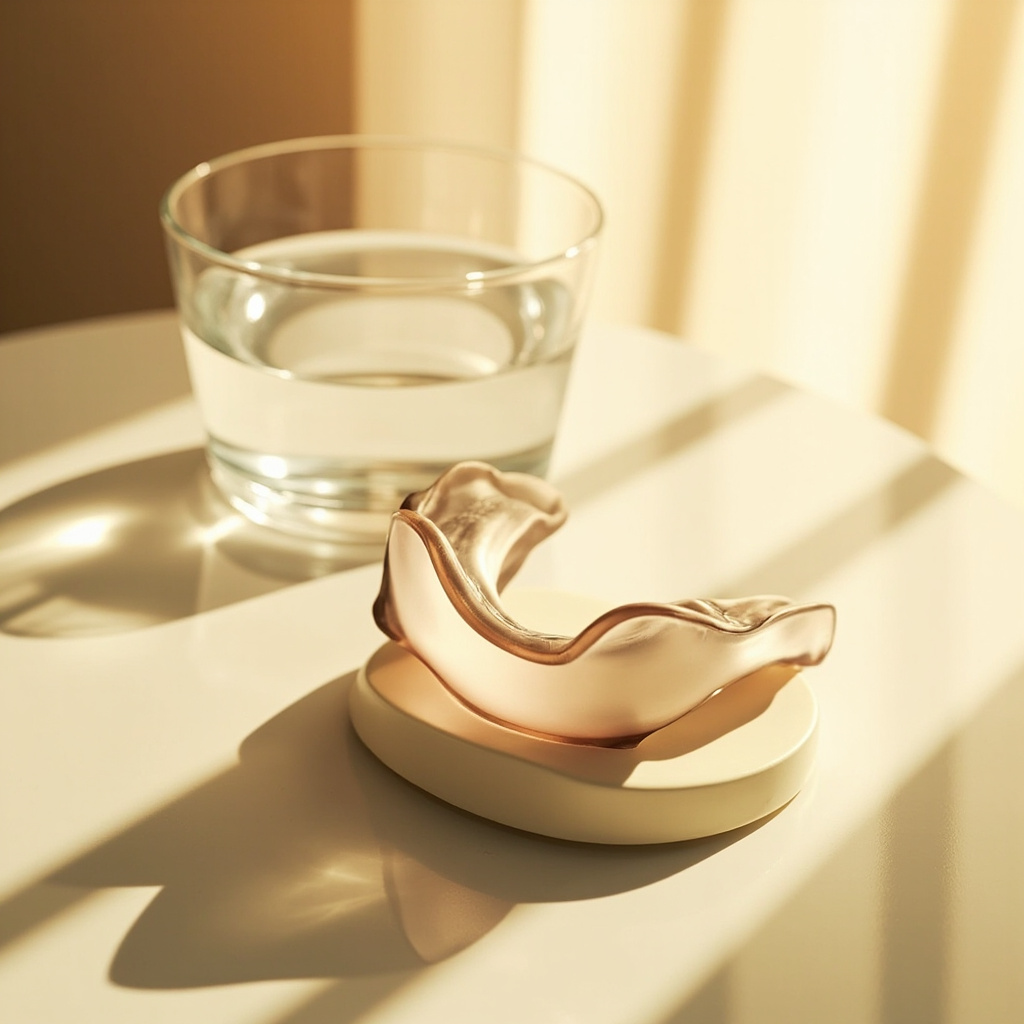
What does a sleep apnea dentist do? A dentist trained in dental sleep medicine fits a custom appliance that gently holds the jaw forward during sleep, keeping the airway open — and adjusts it until it works for you.

Clinical guidance from the American Academy of Dental Sleep Medicine supports appliance therapy as an effective alternative to CPAP for mild-to-moderate obstructive sleep apnea — and for people who can't tolerate a machine. The National Institutes of Health describe custom oral devices as an option when CPAP isn't tolerable. Dr. Perkins' practice fits each device to your anatomy and coordinates with your physician, so dental and medical care stay connected. Weighing the two? The CPAP vs. oral appliance comparison puts comfort, compliance, and travel side by side.

Smile goals and sleep goals often overlap — plenty of patients match for both. If straightening is also on your mind, our honest take on whether Invisalign is worth it is a good place to start.

  • Custom-fit to your anatomy — never a boil-and-bite
  • Quiet, pocket-sized, and easy to travel with
  • Coordinated with your physician from start to follow-up
A peaceful sleep setting at dawn, evoking quiet, uninterrupted rest A custom oral appliance, precision-crafted for dental sleep medicine

Why a dentist?

CPAP is the answer most people already know. It isn't the only answer that exists — and knowing your options changes the conversation.

Malibu Dental Match, on informed choices

Signs

What are the signs of sleep apnea?

The signs that matter are often the ones other people notice first: loud snoring most nights, gasping or choking sounds, and pauses in breathing a bed partner can see. Mornings can add headaches, a dry mouth, and daytime fatigue a full night of sleep doesn't fix.

None of these are a diagnosis on their own. They're a reason to raise the topic with a physician — and, if you're in Malibu, a dental sleep medicine conversation can be part of that path. If snoring is the only symptom on your list, our snoring treatment guide separates the everyday kind from the kind worth checking.

  • Loud snoring most nights, noticed by a partner or roommate
  • Witnessed pauses in breathing, or gasping during sleep
  • Morning headaches or a dry mouth on waking
  • Daytime fatigue that doesn't lift, even with full sleep

Candidacy

Who does oral appliance therapy actually fit?

Appliance therapy isn't for everyone — and knowing the difference is the point. The three profiles below cover most of the people who end up matched for it.

Mild-to-moderate apnea

Appliance therapy is a first-line option for mild-to-moderate obstructive sleep apnea — and for people who can't tolerate a machine. Severity is established by a sleep study, not by how tired you feel.

CPAP intolerance

Mask leaks, pressure discomfort, claustrophobia, travel — when CPAP works clinically but not in daily life, an appliance becomes the practical alternative. The practice fits it to your anatomy and coordinates with your physician.

Snoring without a diagnosis

Loud, consistent snoring can be the first sign of apnea — or just snoring. The honest path starts with a physician and, often, a sleep study; the appliance conversation follows the diagnosis, not the other way around.

The honest part: no checklist replaces a sleep study. Candidacy is settled from your records — which is exactly what the free consultation is for. The practice reviews what you know, lays out what's missing, and coordinates the medical side. And if your apnea is severe, the physician-led conversation comes first — an appliance can still have a role, but the order of care is decided with your medical team, not around it. Want the full breakdown? The dedicated page on am I a candidate for oral appliance therapy walks through the four candidacy dials, the honest no's, and exactly how the decision gets confirmed.

The first visit

What happens at your first appointment?

Most people expect a fitting. The first visit is closer to a review. Dr. Perkins goes through your records — a sleep study if you have one, your medical history, your experience with CPAP — then examines your airway, teeth, and bite to see how an appliance would sit and whether any dental work needs attention first. A healthy foundation — the kind maintained by regular dental exams and cleanings in Malibu — is part of that review.

If no sleep study exists yet, the practice outlines the path to one and coordinates with your physician. The appliance itself is measured and planned from that foundation, then fitted at a follow-up — never picked off a shelf.

  • Your records reviewed — sleep study, history, and CPAP experience, if any
  • An exam of your airway, teeth, and bite before any device is discussed
  • A clear path to a diagnosis if you don't have one yet
  • Physician coordination built in from the start

The routine

What is a night with your appliance like?

The routine is short and unglamorous: insert the appliance at bedtime, remove it in the morning, rinse and brush it, store it. Most people adjust within the first week or two — some from the first night.

There's a break-in period where the jaw and tongue get used to the new position. It typically reads as mild tenderness or extra saliva, and it settles as the fit is dialed in. Follow-up visits are where the appliance gets refined — small adjustments that improve both comfort and effectiveness.

Tell the practice about pressure points or dry mouth; those are normal conversation, not failures. And for travel, the appliance is the easy option: pocket-sized, quiet, no power outlet required — one of the reasons it tends to shine for frequent flyers.

  • Insert at bedtime, remove and clean in the morning
  • A short break-in period — most people settle within one to two weeks
  • Follow-up visits refine the fit, so comfort and effectiveness improve together
  • Quiet, pocket-sized, and travel-friendly by design

Access, solved

How do I get an appliance that fits?

  1. One short form

    Tell us it's sleep care. No referral is needed to start the conversation — just your name, phone, and ZIP.

  2. The office calls you

    Typically within the hour. Bring your questions about CPAP, appliances, sleep studies — this call exists to answer them.

  3. Care gets coordinated

    The practice fits your appliance from your records, adjusts it over follow-ups, and keeps your physician in the loop.

No obligation. No spam. Just a conversation.

Answers, plainly

Before you match

The practical questions — answered before your first call with the office.

Reviewed by Dr. Robert Perkins, DDS

Dental sleep medicine · Invisalign-certified provider · Malibu practice


Where relevant, this page references guidance from the American Dental Association, the American Academy of Dental Sleep Medicine, the American Sleep Apnea Association, and the Sleep Foundation.

Do I need a sleep study before reaching out?

Not to start the conversation. To fit oral appliance therapy, the care team typically works from a confirmed diagnosis — if you have a sleep study, bring it; if not, your consultation can outline the path to one.

Can a dentist diagnose sleep apnea?

Diagnosis belongs to the physician, and is usually informed by a sleep study. The dentist's role is treatment: fitting the appliance, adjusting it, and tracking progress alongside your medical care. That division of labor is part of why coordinated care works.

I travel constantly. Is an oral appliance practical?

It's one of the settings where appliance therapy tends to shine — quiet, pocket-sized, no power outlet required. Tell the practice how you travel and your appliance plan can be built around it.

Will an oral appliance stop my snoring?

For many people, yes — snoring is often the first thing to improve, sometimes from the first night. The reason matters more than the sound, though: if snoring is a marker of apnea, the goal is treating the underlying condition, and that starts with a proper diagnosis. The practice treats the confirmed problem, not just the noise.

How long does it take to get used to an oral appliance?

Most people settle in within the first week or two. The first nights can feel noticeable — mild tenderness or extra saliva as your jaw and tongue adapt to the new position — and follow-up adjustments ease the fit from there. If anything stays uncomfortable past the first visits, that's exactly what the adjustment appointments are for.

How is an oral appliance different from a night guard or sports mouthguard?

A night guard protects teeth from grinding. A sports mouthguard absorbs impact. A sleep apnea appliance does a different job entirely: it holds the lower jaw forward during sleep to keep the airway open. The three look similar at a glance, which is why the fitting conversation matters — the wrong device worn for the wrong reason helps no one.

How soon will I notice a difference with an oral appliance?

Improvement depends on what you're measuring. Snoring and bed-partner observations can change within nights; daytime energy tends to follow more slowly, as your sleep quality rebuilds over weeks. The practice tracks progress at follow-ups, alongside your physician, so the picture comes from records rather than guesswork.

Ready when you are

Better nights start with one conversation

Tell us it's sleep care. The office calls you — typically within the hour — and your free consultation follows.

Free · No obligation

Request my sleep consult

Takes about 30 seconds. The practice — never a call center — follows up personally.

Private and secure — your request goes directly to the Malibu practice.

Request received

Thank you — the office will reach out shortly, typically within the hour.

Request My Free Consultation